Free shipping over $100: please allow 1 to 3 weeks for your order to be sent find out more

Can I use a different sized yarn?
Categories:
Crocheting, Learning to Crochet
When you find a crochet pattern you love making, you might wonder whether you can make it in a different yarn. Maybe you want it to be thicker or thinner, a lighter feel, or simply want to use the yarn that you already have in your cupboard. Changing the yarn size can open up all sorts of creative possibilities, especially when you are making gifts for family and friends, trying a new look, or adapting a favourite project.
Megan, one of the lovely Homelea Lass customers, recently learnt to crochet with the Chunky Scarf Crochet Kit. She was excited that she was able to make the Warm Heart Scarf, and amazed how quick it was to make!
After making her scarf she reached out to me and said that she wanted to try something a little different, and asked if it was possible to make the Warm Heart Scarf with the smaller Homelea Happy 10ply yarn for her granddaughter.
The answer is yes, you can use a differently sized yarn, but there are a few important things to keep in mind first.
One of the wonderful things about crocheting is that it gives you room to experiment. Once you start to understand how yarn size affects the overall look and feel of a project, you can begin to adapt patterns. You might want to make a child-sized version of a pattern, create a lighter or softer feel, or simply use a yarn you’ve recently discovered. Whatever the reason, changing the yarn size can be a creative and practical way to get more from the patterns you love.
It’s fun to experiment with different yarns, and with a few adjustments, it’s possible to make a crochet pattern with a different-sized yarn:
- using a smaller yarn: requires a smaller crochet hook and more stitches and rows (and more crocheting time),
- using a larger yarn: requires a larger crochet hook and fewer stitches and rows (and less crocheting time).
This happens because changing the yarn changes the size of the stitches. Smaller yarn creates smaller stitches, while larger yarn creates larger stitches. That affects the finished width, length, thickness, and drape of your project. Even when you are following the same pattern, the end result will be different unless you make adjustments along the way.
This is why yarn substitution is easiest when the project has a simple shape.
Which crochet patterns are easiest to adapt?
A pattern with a simple shape, like a rectangular scarf or blanket, is easy to modify. These projects are more forgiving because you can adjust the width and length as you go. If the scarf seems too narrow, you can add more stitches. If it is not long enough, you can keep crocheting more rows until it feels right.
Projects like snoods, cowls and simple beanies can also be adapted, but they may need a little more attention because fit matters more. Complex patterns that are shaped or fitted require an understanding of how the pattern is constructed. Once you know which parts control the width, length or fit, it becomes much easier to make changes.
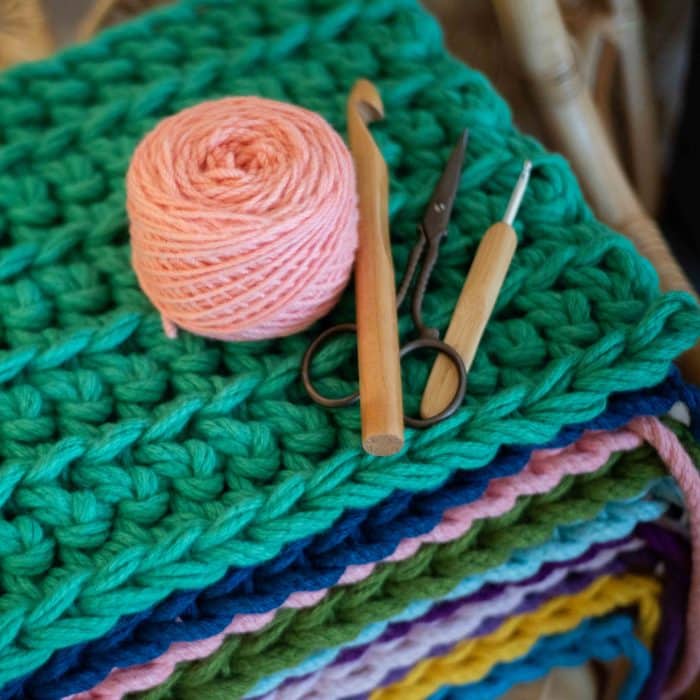
How much yarn will I need?
It’s not possible to accurately predict how much yarn is needed without making the item, so either have plenty on hand or be prepared to get more of the same dye lot to finish.
This is one of the biggest things to remember when changing the yarn size. Even if you are making the same pattern, the yarn usage may be different because the stitch size, density, and finished measurements may all change. If you are making a gift or working to a deadline, it is especially helpful to have extra yarn available so you are not left short near the end.
Want to try it for yourself? Here are some ideas:
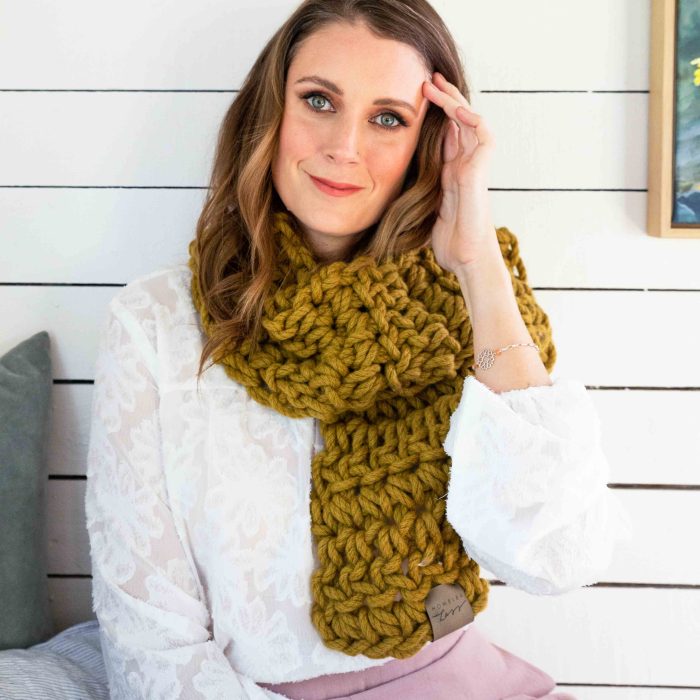
- Crochet the Warm Heart Scarf with Homelea Happy 10ply yarn: you’ll need about 300g of yarn and a 5mm or 6mm crochet hook. Follow the pattern and video tutorials, increasing the number of stitches and rows. Start off by trying 20 stitches in a row and keep crocheting until the scarf is the length you like.
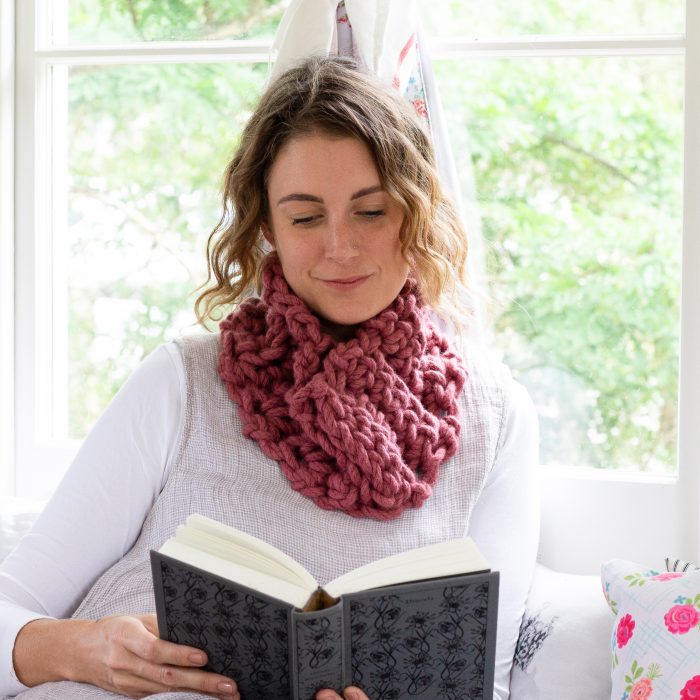
- Crochet the Melbourne Snood with Homelea Happy 10ply yarn: you’ll need about 200g of yarn and a 5mm or 6mm crochet hook. Similar to the Warm Heart Scarf, follow the pattern and video tutorials, increasing the number of stitches and rows. Start off by trying 20 stitches in a row and keep crocheting until the snood is the length you like.
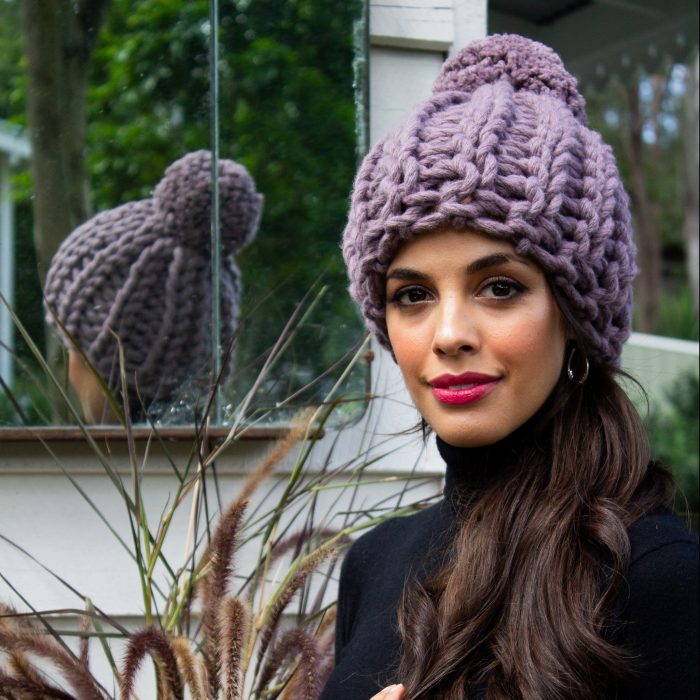
- Crochet the Toasty Heart Beanie with Homelea Happy 10ply yarn: you’ll need about 400g of yarn for the body of the beanie, and use a 5mm crochet hook. Follow the pattern and video tutorials, and increase the number of stitches and rows. The number of stitches is the length from the top of the head to the brim of the beanie (add in extra stitches if you’d like to be able to turn up the brim), and keep repeating the rows until it goes all around the head.
Experimenting and trying different things is part of the fun of crocheting! I’d love to see what you make, so share it via your activity in the Homelea Lass community.
The more you try, the easier it becomes to look at a pattern and understand how to make it work for your own needs. It’s a lot of fun crocheting with different types of yarn sizes to appreciate their differences and learn what you love crocheting with.
Not every experiment will be perfect the first time, and that is completely normal. Crochet is a craft that grows through practice. Trying a different-sized yarn is not just about changing the look of a project; it is also a wonderful way to build your skills and enjoy the creative side of making.
If you’re ready to start your next project, explore the crochet kits australia range, each kit includes the right yarn, hook, and pattern together, so everything works perfectly from the first stitch.
With love, Lynda.
FAQs
1. Can I use a different-sized yarn for a crochet pattern?
Yes, often you can. Simple projects such as scarves, blankets, and snoods are usually the easiest to adapt because you can adjust the width and length as you go.
2. Do I need to change the hook size as well?
Usually, yes. A smaller yarn generally needs a smaller hook, while a larger yarn generally needs a larger hook. Testing a sample (known as making a gauge or tension swatch) first is the best way to see what works.
3. Will I need more stitches and rows with a smaller yarn?
Yes. Because the stitches are smaller, you will usually need more stitches and more rows to create the same finished size.
4. Can I predict exactly how much yarn I will need?
No. The amount of yarn needed will vary when you change the yarn size, so it is always best to have extra on hand if you can.
5. Which patterns are easiest to modify?
Patterns with simple shapes, such as scarves, blankets, and snoods, are usually the easiest to adapt. More complex or fitted projects require a detailed understanding of how the pattern is constructed.

Author
Lynda | Homelea Lass
Hi! I’m Lynda (she/her) and I’m the lady behind Homelea Lass.
I’m here to help you improve your crochet skills and to help you find peace and happiness in your creative time.
In 2012 I was knocked down by debilitating chronic fatigue that put an end to my blossoming career as a Civil Engineer and Project Manager.
Early on in my illness, I discovered that I could crochet without draining my energy, so I spent my days crocheting, researching yarns and designing – this is how Homelea Lass was born.
My experience with chronic illness has guided me to combine my passion for exceptional design and crochet. I’ve developed a way of crocheting that’s enjoyable, easy to understand, and maximises it’s relaxing and wellbeing properties.
As my healing journey has progressed, Homelea Lass has grown, and I feel blessed that I can share my love of Australian merino wool, chunky crochet and creativity with you.