Free shipping over $100: please allow 1 to 3 weeks for your order to be sent find out more

How to Protect Yarn and Crochet Projects from Bugs
Categories:
Crochet Stitches and Techniques, Crocheting
There’s nothing quite like the feeling of finishing a crochet project and knowing how much care, patience and love went into every stitch. Whether you are storing yarn for a future make or putting away a finished blanket, scarf, beanie or shawl, knowing how to protect yarn from bugs is an important part of looking after your handmade treasures. A few simple habits can help your yarns and crocheting stay fresh, clean and ready to enjoy for many years.
We spend a lot of precious time and energy crocheting, so it’s important to protect what we’ve made from nasty bugs. All they want to do is feast on our yarns and crochet. It’s devastating to find the holes that they leave, and repairing them isn’t enjoyable.
It isn’t all doom and gloom, though. The good news is that by doing a few things, you can keep bugs away from your yarn and crocheting.
This is what I do to stop bugs from putting holes in my yarn and crocheting:
- Keep cedar balls with everything! I make the cedar balls even more effective by adding essential oils like lavender to them and freshen them up every couple of years (check out my DIY video down below).
- Wash finished items before storing them. Bugs have less to feast on if the items are clean (read my guide on how to do this).
- Use plastic boxes or vacuum-sealed bags to store yarns and crocheted treasures.
- Natural light is the best. Pests tend to like darkness, so keeping yarns and crocheting in a light room, away from direct sunlight, is best.
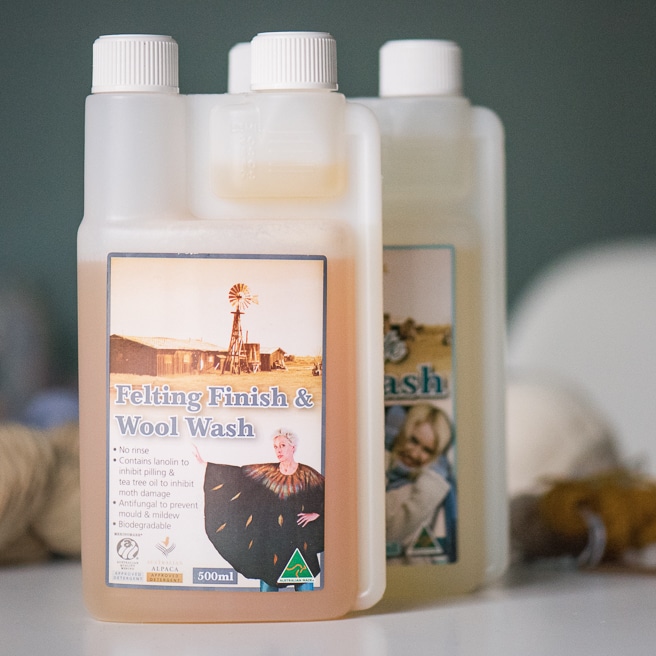
My must-haves for looking after my yarns and crocheting:
- Felting Finish and Wool Wash by Tantech is a wool detergent that includes essential oils to protect delicate fibres, with the added bonus of being Australian-made.
- Protectors from Thurlby Herb Farm smell nice and are easy to keep in the wardrobe or cupboard. They’re also Australian-made.
- Wool Spray from MiniJumbuk is what I spray after cleaning and drying.
- Clothes Moth Traps to catch any pesky flying things and let you know if you might have a problem.
Easy DIY to add essential oils to cedar balls
With these tips, you can keep bugs away from your yarns and crocheting, so dive into the pattern you’ve been wanting to make! Homelea Lass crochet kits make crocheting beautiful things easy too – shop for your next creative venture now.
With love, Lynda.
FAQs
1. What bugs eat yarn and crocheting?
Clothes moths and carpet beetles are the most common pests that damage yarn and crocheted items. They are often attracted to natural fibres like wool, alpaca, cashmere, mohair, and silk, although they can hide in blends too. The larvae usually cause damage because they feed on fibres, dust, body oils, and tiny food marks.
2. How do I know if bugs have damaged my yarn or crochet?
Small holes are usually the first sign, especially if they appear in clusters or on folded areas. You may also notice loose fibres, webbing, tiny casings, gritty specks, or shed skins in drawers, baskets, or storage boxes. If one item is damaged, check everything stored nearby so you can catch the problem early.
3. What should I do if I find bugs in my yarn stash?
Separate the affected yarn or crochet from the rest of your stash straight away. Check every ball, skein and finished piece that was stored close to it. If the fibre can be washed, wash it gently and dry it completely. For yarns, pop them into a plastic bag and keep them in the freezer for 2 weeks. Also, clean the storage area, because eggs or larvae may be hiding in dust or fibre scraps.
4. Can I use essential oils to protect my yarn?
Essential oils can be a helpful part of your storage routine, especially when used with cedar balls, fabric protectors or sachets. Lavender, cedarwood, rosemary and eucalyptus are popular choices. Avoid dripping oils directly onto yarn or finished crochet, because oils can stain or mark delicate fibres. Keep scented items nearby rather than touching the yarn.
5. Are plastic boxes better than baskets for storing yarn?
Plastic boxes are often better for long-term storage because they create a stronger barrier between your yarn and pests, dust and moisture. Clear boxes also make it easy to see what you have. Baskets are beautiful for current projects, but they are more open, so they are not as protective for long-term storage.
6. Should I wash crocheted items before storing them?
Yes, washing finished items before storing them is one of the best things you can do. Even clean-looking items can have body oils, skin cells, dust or tiny food marks on them. These can attract pests. Make sure everything is completely dry before packing it away, then store it in a sealed container.
7. How often should I check my stored yarn and crochet?
Ideally, check your yarn and finished crochet every few months, especially before and after warmer seasons when pests can be more active. Open your storage boxes, look for holes, refresh cedar balls if needed and make sure everything still smells clean. Regular checks only take a little time and can prevent a much bigger problem.
8. Can sunlight damage yarn and crochet?
Yes, direct sunlight can fade colours and weaken fibres over time. Natural light in a room is helpful because pests tend to prefer dark, quiet places, but your yarn and crocheting should still be kept away from harsh direct sunlight. A bright room, sealed storage and a shaded spot give you a good balance.

Author
Lynda | Homelea Lass
Hi! I’m Lynda (she/her) and I’m the lady behind Homelea Lass.
I’m here to help you improve your crochet skills and to help you find peace and happiness in your creative time.
In 2012 I was knocked down by debilitating chronic fatigue that put an end to my blossoming career as a Civil Engineer and Project Manager.
Early on in my illness, I discovered that I could crochet without draining my energy, so I spent my days crocheting, researching yarns and designing – this is how Homelea Lass was born.
My experience with chronic illness has guided me to combine my passion for exceptional design and crochet. I’ve developed a way of crocheting that’s enjoyable, easy to understand, and maximises it’s relaxing and wellbeing properties.
As my healing journey has progressed, Homelea Lass has grown, and I feel blessed that I can share my love of Australian merino wool, chunky crochet and creativity with you.